LANDLINES: San Luis Valley—Journey Into the American West. Last Chance Press and Spector Books. 398-page book, 3 flexi discs, 3D glasses. 2024
Edited by Richard Saxton and Margo Handwerker
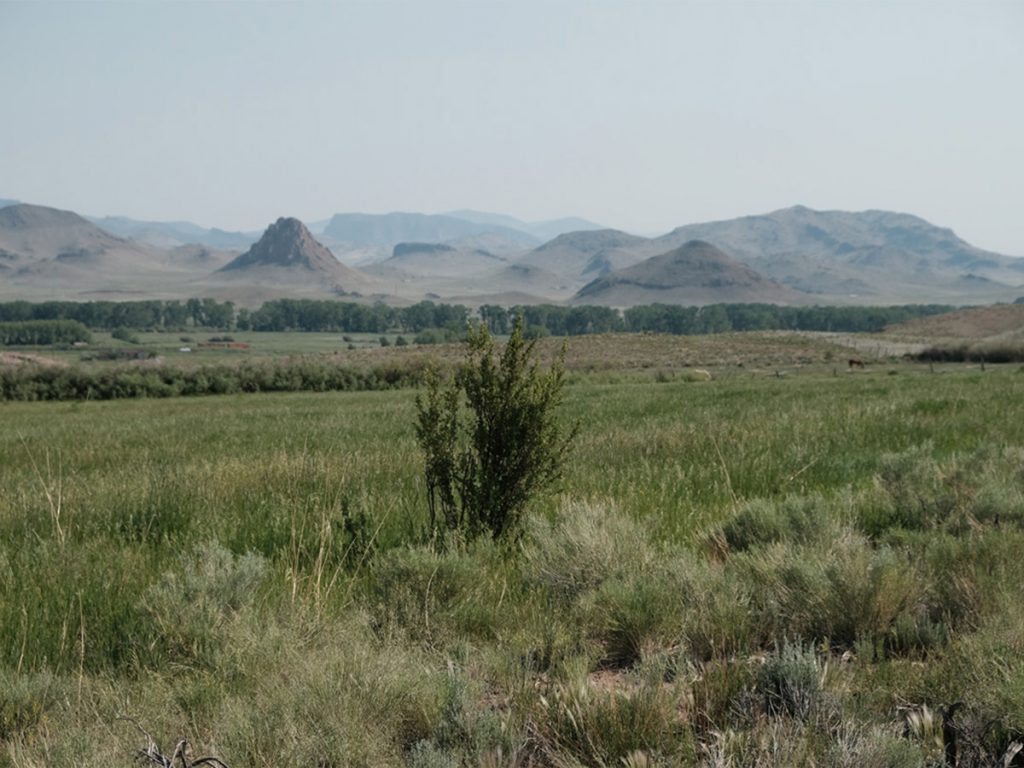
As the largest alpine valley in the world, the San Luis Valley is a land of sand dunes, wetlands, and farmland—nearly all of it above 8,000 feet in elevation. It is characterized by an unparalleled range of physical geography, social, cultural, and economic diversity, and extraordinary environmental phenomena—all within a footprint of roughly 150 by 75 miles. Only sparsely covered by historians and geoscientists, the San Luis Valley has been home to mixed Hispanic ancestral villages, Spanish and Anglo settlements, Indigenous territories, and Catholic, Mormon, Amish, Hindu, and Buddhist communities. Today, the vast majority of land is owned by state or federal agencies or is used for agricultural production. Dominated by the presence of the Rio Grande, one of the main rivers in the American Southwest, the San Luis Valley is the headwaters of many lifeways that flow and branch out across the region. This publication summarizes M12 studio’s Landlines Initiative, a multi-year engagement with Colorado’s rural San Luis Valley, which took place from 2018 to 2022.
El Tecolotito (The Little Owl) performed by Raven Chacon
Available for purchase in mercantile